homemade herbal tea recipes pdf
Summary
Discover calming & delicious homemade herbal tea recipes! Download our free PDF guide & unlock a world of natural wellness. Perfect for cozy nights & healthy living. ✨
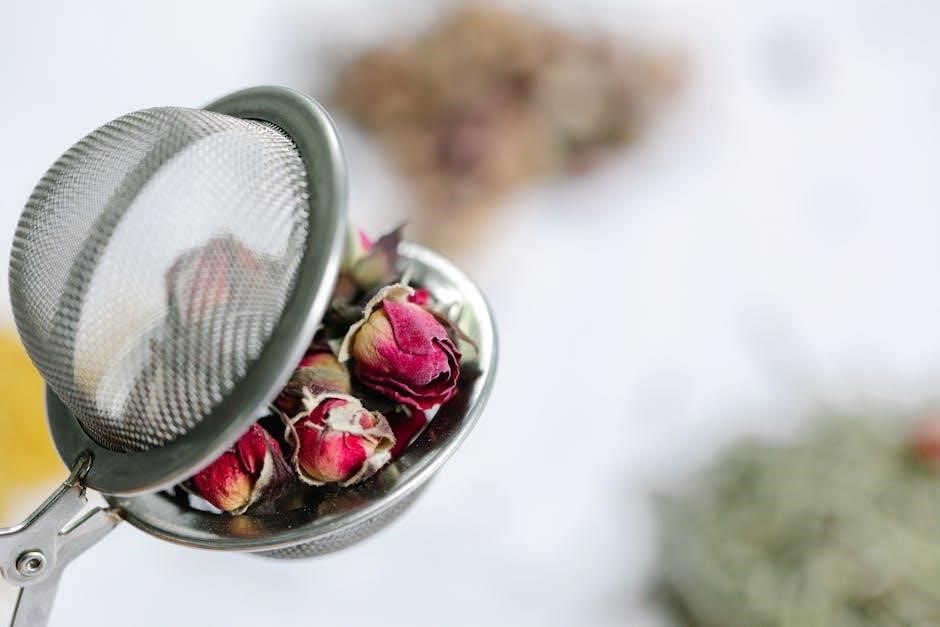
Discover the art of crafting personalized wellness with homemade herbal teas! Explore extended PDF guides detailing pairings and healthy living recipes,
unlocking a world of flavor and therapeutic benefits for daily enjoyment.
What are Herbal Teas?
Herbal teas, also known as tisanes, are beverages made from the infusion or decoction of herbs, spices, flowers, or other plant material – excluding Camellia sinensis, the tea plant. They’re naturally caffeine-free, offering a soothing alternative to traditional black, green, or white teas.
PDF resources, like “Herbal Teas For Healthy Living,” expand on this, detailing diverse recipes beyond simple infusions. These guides showcase blends like Forest Berry Tea, Linden Blossom & Mint, and even Assam Thyme, demonstrating the vast possibilities. They aren’t just about taste; they’re about harnessing plant properties for wellness.
Preparation methods, outlined in these PDFs, range from simple steeping to more complex decoctions, unlocking maximum flavor and benefit from each ingredient. Understanding these techniques is key to crafting truly effective and enjoyable herbal teas.
Benefits of Drinking Herbal Teas
Herbal teas offer a spectrum of wellness benefits, from relaxation with Chamomile to digestive support from Peppermint. PDF guides, such as those focusing on “Herbal Tea Pairings,” highlight how specific blends can target individual needs. Soursop leaf tea, for example, is noted for wellness properties, while Phytosha is designed for children’s health.
These resources detail how ingredients like ginger combat nausea and inflammation, and lemon balm alleviates stress. Beyond physical health, the ritual of tea preparation itself can be calming.
PDFs also emphasize the accessibility of homemade teas, allowing control over ingredients and potency. Exploring recipes like Chai, with its warming spices, demonstrates the potential for both enjoyment and therapeutic effect.
Sourcing Your Herbs
Quality herbs are paramount for effective homemade teas. While PDF resources on recipes don’t always detail sourcing, prioritizing reputable suppliers is crucial. Consider organic options to minimize pesticide exposure, especially when referencing guides like “Herbal Teas for Healthy Living.”
Local farmers’ markets and herb gardens offer fresh, seasonal choices. Alternatively, explore online herbalists specializing in medicinal plants. Ensure herbs are properly dried and stored in airtight containers, preserving their potency.
PDFs showcasing blends like Forest Berry or Linden Blossom & Mint highlight the importance of ingredient freshness. When utilizing recipes for teas like Phytosha, verifying the source of the Altai cedar is essential for safety and efficacy.
Basic Herbal Tea Recipes
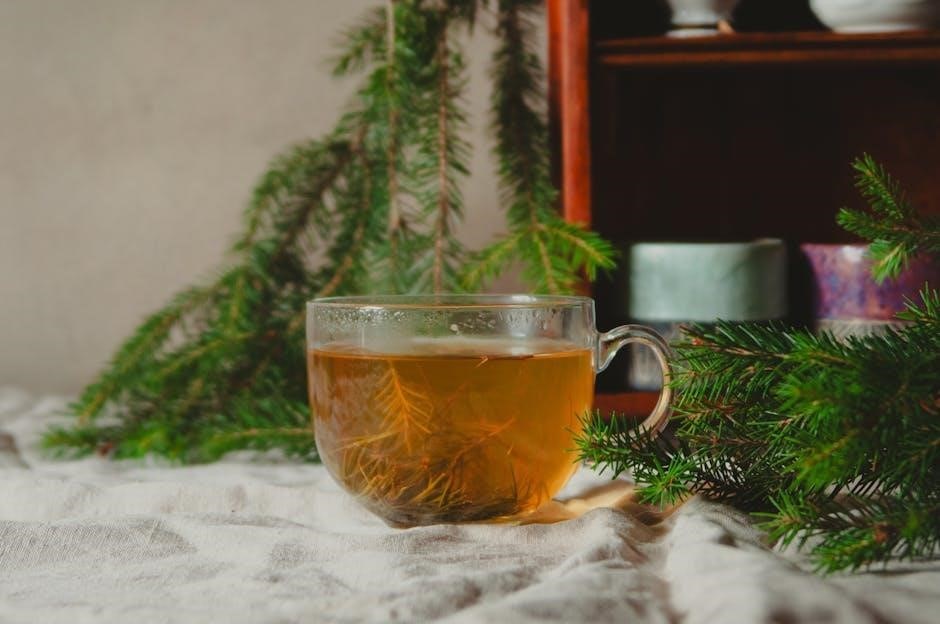
Explore foundational recipes like Chamomile, Peppermint, and Ginger teas, often detailed in PDF guides. These simple infusions offer accessible entry points into herbalism.
Chamomile Tea for Relaxation
Chamomile tea, renowned for its calming properties, is a cornerstone of homemade herbal remedies. Many PDF resources dedicated to herbal teas highlight chamomile’s gentle effects on anxiety and sleep. To prepare, use 1-2 teaspoons of dried chamomile flowers per 8 ounces of hot water.
Steep for 5-10 minutes, covered, to retain volatile oils. PDF guides often suggest adding a touch of honey or lemon to enhance flavor, though it’s delightful on its own. Chamomile is particularly beneficial before bedtime, promoting relaxation and easing tension. Explore detailed preparation methods and variations within comprehensive PDF collections focused on herbal tea recipes for a truly soothing experience.
Peppermint Tea for Digestion
Peppermint tea is a celebrated digestive aid, frequently featured in PDF guides on herbal remedies. Its cooling properties can soothe indigestion, bloating, and gas; To brew, steep 1-2 teaspoons of dried peppermint leaves in 8 ounces of hot water for 5-10 minutes.
PDF resources often emphasize peppermint’s ability to relax the stomach muscles, easing discomfort after meals. Some recipes suggest combining peppermint with other herbs like chamomile for enhanced benefits. It’s a refreshing and accessible tea, perfect for everyday digestive support. Detailed instructions and variations can be found within specialized PDF collections dedicated to homemade herbal tea recipes, offering a holistic approach to wellness.
Ginger Tea for Nausea & Inflammation
Ginger tea is renowned for its potent anti-nausea and anti-inflammatory properties, extensively documented in numerous PDF guides on herbal remedies. Preparing it involves steeping 1-2 teaspoons of grated fresh ginger (or 1 teaspoon of dried) in 8 ounces of hot water for 10-20 minutes.
PDF resources highlight ginger’s ability to calm the stomach, reduce motion sickness, and alleviate morning sickness. It’s also valued for its warming effect and potential to ease muscle soreness. Many PDF recipe collections suggest combining ginger with lemon and honey for added flavor and therapeutic benefits. Explore detailed brewing instructions and variations within comprehensive PDFs focused on homemade herbal tea recipes for optimal wellness.
Lemon Balm Tea for Stress Relief
Lemon balm tea is celebrated for its calming effects, making it a popular choice for stress and anxiety relief, as detailed in numerous PDF guides on herbalism. To prepare, steep 1-2 teaspoons of dried lemon balm leaves in 8 ounces of hot water for 5-10 minutes.
PDF resources emphasize lemon balm’s ability to promote relaxation, improve sleep quality, and ease nervous tension. Many PDF recipe collections suggest blending lemon balm with chamomile or lavender for enhanced calming properties. Detailed brewing instructions and dosage recommendations are readily available within comprehensive PDFs dedicated to homemade herbal tea recipes, offering a natural approach to managing daily stress and promoting overall well-being.
Advanced Herbal Tea Blends
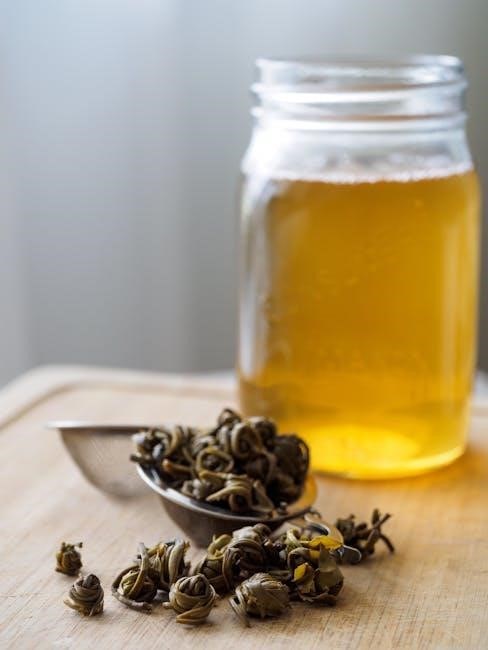
Unlock complex flavors and benefits! PDF guides reveal blends like Forest Berry, Daisy & Mint, and Assam Thyme, elevating your tea experience.
Forest Berry Tea Blend
Embark on a delightful sensory journey with the Forest Berry Tea Blend, a unique infusion of wild berries detailed in comprehensive PDF resources. This blend, often 500ml in volume, offers a naturally sweet and subtly tart flavor profile, perfect for a comforting and revitalizing experience.
PDF guides showcase this blend as a standout choice, highlighting its antioxidant properties and potential wellness benefits. The recipes emphasize sourcing high-quality, dried berries to maximize flavor and nutritional value. Discover variations within these guides, suggesting complementary herbs to enhance the berry notes or add specific therapeutic qualities.
Explore detailed instructions within the PDFs for proper steeping times and temperatures, ensuring a perfectly balanced and flavorful cup. This blend is more than just a beverage; it’s a taste of the forest, conveniently brought to your teacup through accessible PDF recipes.
Daisy & Mint Herbal Tea
Uncover the refreshing simplicity of Daisy & Mint Herbal Tea, a blend detailed within accessible PDF herbal tea recipe collections. Often presented as a 500ml preparation, this tea combines the delicate floral notes of daisies with the invigorating coolness of mint, creating a uniquely balanced infusion.
PDF guides emphasize the soothing properties of this combination, suggesting it’s ideal for relaxation and digestive support. Detailed instructions outline the optimal ratio of daisies to mint leaves, ensuring a harmonious flavor profile. Explore variations within the PDFs, incorporating other complementary herbs for enhanced benefits.
Discover precise steeping times and temperatures within the PDF resources, guaranteeing a perfectly brewed cup. This tea, easily recreated from PDF recipes, offers a gentle and aromatic escape, bringing the freshness of a meadow to your daily routine.
Linden Blossom & Mint Tea
Delve into the calming embrace of Linden Blossom & Mint Tea, a classic herbal infusion frequently detailed in comprehensive PDF herbal tea recipe guides. These PDF resources showcase a 500ml preparation, expertly blending the delicate sweetness of linden blossoms with the revitalizing coolness of mint leaves.
PDF guides highlight the tea’s traditional use for stress relief and promoting restful sleep. They provide precise measurements for achieving a balanced flavor, emphasizing the aromatic qualities of both ingredients. Explore variations within the PDFs, adding lemon or honey for enhanced taste and therapeutic benefits.
Discover optimal steeping times and water temperatures within the PDFs, ensuring a perfectly brewed and flavorful cup. This easily replicable recipe, sourced from PDF resources, offers a soothing and aromatic experience, perfect for unwinding after a long day.
Assam Thyme Tea Blend
Uncover the unique flavor profile of Assam Thyme Tea, a distinctive blend often featured in detailed PDF herbal tea recipe collections. PDF guides showcase a 500ml preparation, expertly combining the robust character of Assam tea with the herbaceous notes of thyme. This unexpected pairing delivers a warming and invigorating experience.
PDF resources emphasize the blend’s potential benefits for digestion and immune support, detailing the properties of each ingredient. Explore variations within the PDFs, suggesting additions like lemon or a touch of honey to complement the earthy flavors.
Discover precise brewing instructions within the PDFs, ensuring optimal extraction of flavor and aroma. This intriguing recipe, readily available in PDF format, offers a sophisticated and healthful alternative to traditional teas.
Herbal Teas for Specific Needs
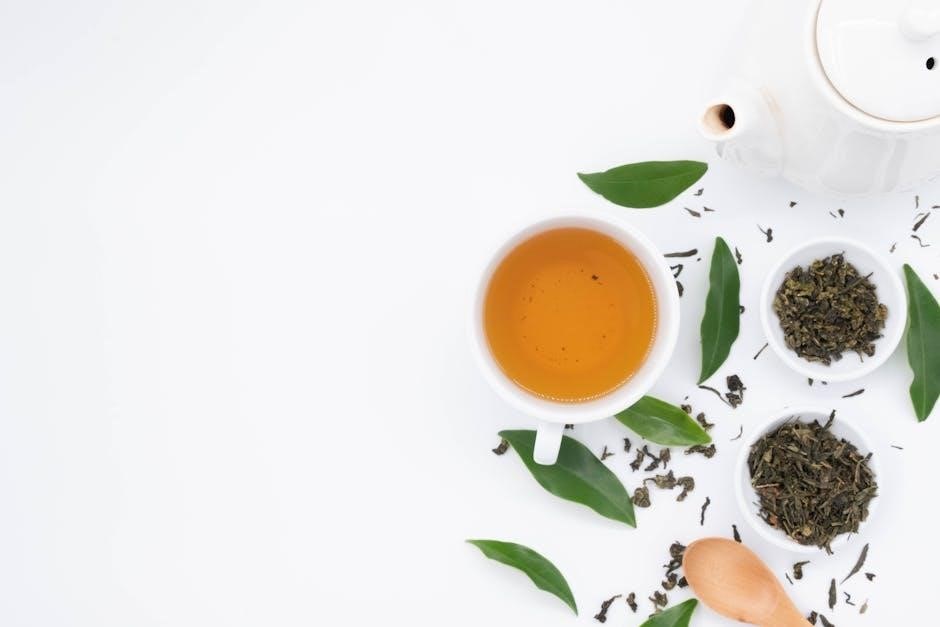
PDF guides unlock targeted wellness! Explore recipes like Phytosha for children, soursop for vitality, and chai for spice – all detailed within comprehensive PDF resources.
Herbal Tea for Children’s Health (Phytosha)
Phytosha herbal tea, specifically formulated for children aged three and up, offers a gentle approach to preventative health and recovery. Detailed within various PDF resources, this blend traditionally utilizes Altai cedar and a mixture of dried herbal ingredients – often referred to as “Alfito” blends – to support a child’s developing immune system.
PDF guides provide precise instructions for preparation, emphasizing the importance of using appropriate dosages for young children. These resources often highlight the tea’s role in bolstering overall wellness, particularly during seasonal changes or periods of mild illness. The availability of detailed PDF recipes ensures parents can confidently create this beneficial tea at home, understanding the specific herbal components and their intended effects.
Always consult with a pediatrician before introducing any new herbal remedy to a child’s routine, even those detailed in readily available PDF guides.
Soursop Leaf Tea for Wellness
Soursop leaf tea, gaining recognition for its potential health benefits, is easily prepared at home using readily available PDF guides. These resources detail a simple infusion method: steeping 1-2 teaspoons of dried soursop leaves in hot water for 3-5 minutes. Many PDF recipes suggest optional additions like key lime juice or agave syrup to enhance flavor and further complement the tea’s properties.
PDF documents often highlight soursop’s traditional use in supporting overall wellness, though scientific research is ongoing. The convenience of creating this tea from home, guided by detailed PDF instructions, allows for consistent consumption and exploration of its potential benefits.
Remember to consult a healthcare professional before incorporating soursop leaf tea into your routine, especially if you have existing health conditions or are taking medications. Detailed PDF resources can aid informed decision-making.
Chai Tea Recipe (Spiced Black Tea)
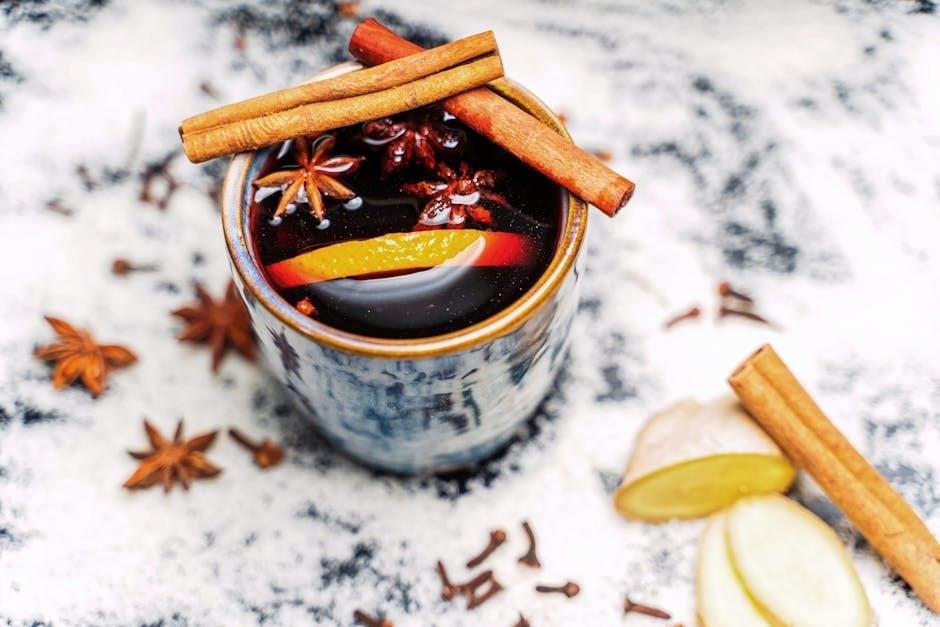
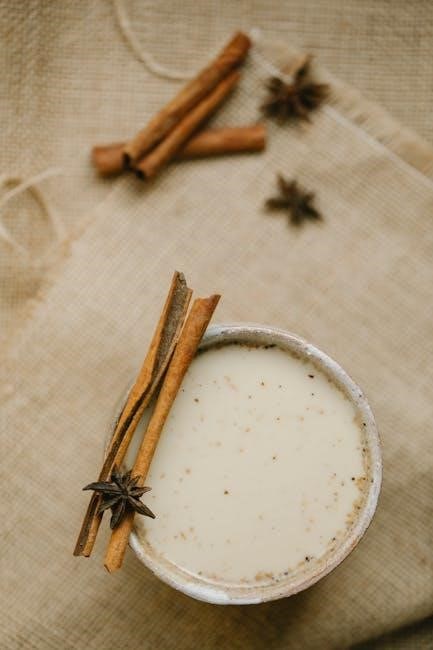
Discover authentic Chai tea preparation through detailed PDF recipes! These guides typically begin by boiling water with aromatic spices – cloves, cardamom, and ginger are essential. The intensity of spice can be adjusted to personal preference, often detailed within the PDF instructions.
PDF resources commonly advise microwaving milk separately before adding it to the spiced tea base, creating a creamy texture. Some recipes suggest a touch of sweetener, like honey or agave, also outlined in the PDF. Variations abound, with some PDF guides including black pepper for an extra kick.
PDF documents often emphasize the warming and invigorating qualities of Chai. Explore diverse recipes within these guides to find your perfect spiced black tea blend, tailored to your taste!
Medicinal Plant Tea & Syrup Recipes
PDF resources unlock a wealth of knowledge on crafting teas and syrups from edible and medicinal plants! These guides detail processes for utilizing ingredients like various herbs, flowers, and roots for therapeutic purposes. PDF recipes often include instructions for infusions and decoctions, explaining how to extract maximum benefit.
PDF documents frequently showcase syrup-making techniques, preserving plant properties for longer-term use. Salves are also commonly covered, extending the medicinal applications beyond beverages. Detailed ingredient lists and precise measurements are hallmarks of these PDF guides.
PDFs emphasize safety and proper identification of plants. Explore these resources to learn how to create potent, natural remedies at home, always prioritizing responsible foraging and preparation!
Preparing Your Herbal Teas
PDF guides detail crucial preparation methods: infusion and decoction. Mastering these techniques, outlined in downloadable resources, ensures optimal extraction and flavor from your herbal blends.
Infusion Method
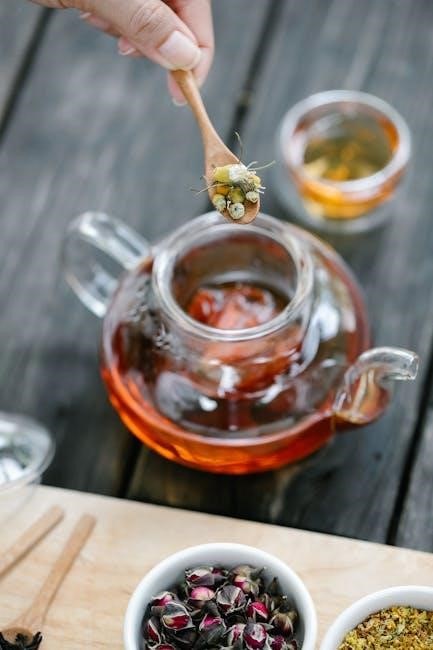
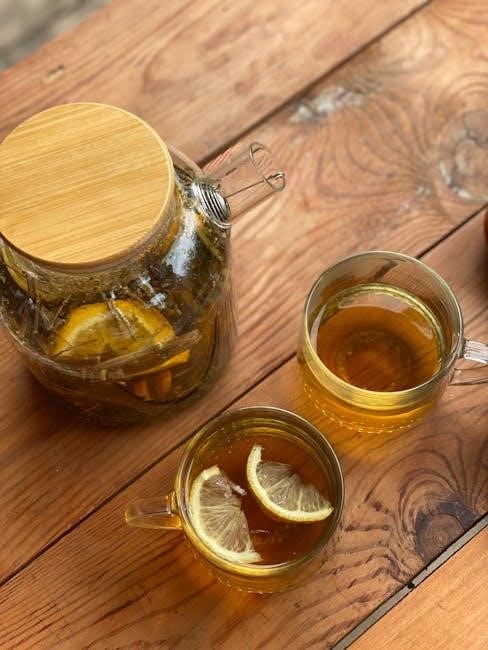
The infusion method, beautifully detailed within numerous downloadable PDF resources, is ideal for delicate herbs like chamomile or peppermint, preserving their volatile oils and subtle flavors. This process involves steeping the herbs in hot water – not boiling – typically around 200-212°F (93-100°C).
Generally, use 1-2 teaspoons of dried herbs per 8 ounces (237 ml) of water. Pour the hot water over the herbs, cover the container to trap the essential oils, and allow it to steep for 5-15 minutes, depending on the herb and desired strength. Longer steeping times yield a stronger brew, but can also result in bitterness.
PDF guides often provide specific infusion times for various herbs, ensuring optimal results. Strain the tea through a fine-mesh sieve or cheesecloth before enjoying. This gentle method is perfect for maximizing the therapeutic benefits of flowers, leaves, and lighter plant parts, as highlighted in many recipe collections.
Decoction Method
The decoction method, thoroughly explained in accessible PDF guides, is best suited for tougher plant parts like roots, barks, and seeds, which require longer simmering to extract their medicinal properties. Unlike infusions, decoctions involve boiling the herbs directly in water.
Typically, use 1-2 tablespoons of dried herbs per 8 ounces (237 ml) of water. Combine the herbs and water in a saucepan, bring to a boil, then reduce heat and simmer gently for 20-30 minutes, or even longer for particularly hard materials.
PDF resources emphasize the importance of covering the pot during simmering to prevent the loss of volatile compounds. After simmering, strain the tea and enjoy. This method effectively breaks down the plant material, releasing a more potent and concentrated brew, ideal for robust herbal remedies.
Blending Basics
Creating harmonious blends is a cornerstone of homemade herbal teas, and detailed PDF resources offer invaluable guidance. Start with a base herb – chamomile for relaxation, peppermint for digestion – then introduce complementary flavors and benefits. Consider the ‘layers’ of taste: top notes (mint, citrus), middle notes (lavender, rose), and base notes (ginger, cinnamon).
PDFs suggest ratios like 50-75% base herb, 25-50% complementary herbs. Don’t be afraid to experiment! Forest Berry blends showcase unique combinations, while Assam Thyme offers a savory twist.
Always research herb interactions; some herbs amplify or counteract others. Proper blending, as outlined in these guides, maximizes both flavor and therapeutic effect, resulting in truly personalized tea experiences.
Creating Your Own Recipes
Unlock your inner herbalist! PDFs provide a foundation for understanding properties and safety, empowering you to design unique, personalized tea blends for wellness.
Understanding Herbal Properties
Delving into herbal properties is crucial for crafting effective tea blends. PDF resources often categorize herbs by their actions – are they calming, stimulating, or detoxifying? Understanding these characteristics allows for intentional recipe creation. For example, chamomile, frequently featured in guides, is renowned for its relaxing qualities, while peppermint aids digestion.
PDF guides detail specific plant constituents and their effects on the body. Knowing whether an herb is rich in vitamins, minerals, or volatile oils informs its potential benefits. Consider soursop leaf tea, highlighted for wellness; understanding its compounds is key.
Furthermore, PDFs often outline traditional uses alongside modern research, providing a holistic view. Blending herbs synergistically – combining properties for enhanced effects – becomes possible with this knowledge. Always prioritize safety and responsible sourcing when experimenting with new combinations.
Safety Considerations
Prioritizing safety is paramount when creating homemade herbal teas. PDF resources emphasize identifying potential allergies or interactions with medications. Always start with small amounts to assess tolerance, especially when trying new herbs like Assam Thyme or Forest Berry blends.
Pregnant or breastfeeding individuals should exercise extreme caution and consult a healthcare professional before consuming herbal teas. Some herbs, while beneficial for others, may be contraindicated. PDF guides often include warnings about specific herbs to avoid in certain conditions.
Proper identification of herbs is crucial; misidentification can lead to adverse effects. Sourcing from reputable suppliers minimizes this risk. Dosage guidelines, often detailed in PDFs, should be followed carefully. Remember, “natural” doesn’t always equate to “safe” – informed consumption is key.
Dosage Guidelines
PDF resources consistently recommend starting with 1-2 teaspoons of dried herbs per 8 ounces of water for infusions. Decoctions, utilizing roots or barks, may require longer simmering and slightly higher herb quantities.
For children’s health teas like Phytosha, specific dosage instructions are vital – PDFs dedicated to children’s remedies provide age-appropriate guidelines. Soursop leaf tea typically suggests steeping 1-2 teaspoons in hot water.
Individual responses vary; adjust dosage based on sensitivity and desired effect. Chai tea recipes, being black tea-based, should adhere to standard caffeine intake recommendations. Always consult PDF guides for herb-specific advice and never exceed suggested amounts to avoid potential adverse reactions.
Resources & Further Learning
Enhance your knowledge with YouTube Studio tutorials and help videos! Explore PDF guides for detailed recipes, addressing tea pairings and healthy living practices.
YouTube Studio for Content Creators
For aspiring herbal tea content creators, YouTube Studio is an invaluable platform. It centralizes all tools needed to manage your online presence and cultivate a thriving channel dedicated to the art of homemade herbal infusions. Utilize Studio to analyze video performance, understand audience demographics interested in PDF recipe guides, and optimize content for discoverability.
Leverage features like custom thumbnails to attract viewers searching for “herbal tea recipes PDF” or “DIY tea blends.” Engage with your audience through comments and community posts, fostering a loyal following. Explore analytics to pinpoint popular tea types and PDF download rates, informing future content creation. YouTube Studio empowers you to build a successful brand around your passion for herbal teas and downloadable resources.
YouTube Help Videos
Enhance your herbal tea content creation skills with YouTube’s extensive help video library. Discover tutorials on video editing, SEO optimization – crucial for ranking videos showcasing “homemade herbal tea recipes PDF” – and audience engagement strategies. Learn how to create compelling thumbnails and descriptions that attract viewers seeking downloadable guides.
Master YouTube analytics to understand which tea blends and PDF recipe formats resonate most with your audience. Explore videos on troubleshooting technical issues and understanding platform policies. These resources will empower you to effectively share your passion for herbal teas, promote your PDF resources, and build a successful channel dedicated to natural wellness and DIY remedies.
YouTube Known Issues
Stay informed about potential disruptions impacting your “homemade herbal tea recipes PDF” content. YouTube occasionally experiences technical glitches affecting video processing, live streams, or search functionality – potentially hindering discoverability of your guides. Check the official YouTube Known Issues page for updates on reported problems, especially those related to file uploads or PDF link visibility in video descriptions.
Be aware of potential issues with copyright claims if using music or images in your tea recipe videos. Monitor your channel for unexpected strikes or demonetization. Understanding these known issues allows proactive troubleshooting and ensures consistent delivery of valuable herbal tea content and accessible PDF resources to your audience.
PDF Resources for Herbal Tea Recipes
Access comprehensive guides! Download extended PDF versions featuring herbal tea pairings, healthy living recipes, and detailed preparation methods for delightful infusions.
Finding & Utilizing PDF Guides
Locating valuable PDF resources for homemade herbal tea recipes is easier than you think! A quick online search using keywords like “herbal tea recipes PDF,” “medicinal tea guides,” or “herbal pairings PDF” will yield numerous results. Look for reputable sources offering extended versions, such as the “Herbal Teas For Healthy Living 2nd Edition Extended Version.”
When evaluating PDFs, prioritize those with clear instructions, detailed ingredient lists, and safety guidelines. Pay attention to the source’s credibility – established herbalists or wellness websites are generally reliable. Utilize the PDF’s search function to quickly find specific recipes or herbal properties.
Remember to download and save these PDFs for offline access, allowing you to brew delicious and beneficial teas anytime, anywhere. These guides often contain valuable information beyond recipes, including blending basics and preparation techniques.
Herbal Tea Pairings (PDF Focus)
PDF guides dedicated to herbal tea pairings elevate your brewing experience beyond simple recipes. These resources, like the “Herbal Tea Pairings” document, often suggest complementary herbs to enhance flavor and therapeutic effects. Discover how forest berries blend beautifully, creating unique mixes for a delightful taste.
Explore combinations like daisy and mint, or linden blossoms with mint leaves, as detailed in available resources. PDFs frequently offer insights into how different herbs interact, maximizing benefits for relaxation, digestion, or immunity. They may also suggest pairings based on time of day or desired mood.
Utilize these pairings to experiment and create your own signature blends, guided by the knowledge within these downloadable resources. Don’t hesitate to adapt suggestions to your personal preferences!
Herbal Teas for Healthy Living (PDF Edition)
Delve into comprehensive “Herbal Teas for Healthy Living” PDF editions, offering extended versions of recipes and wellness insights. These guides often detail preparation methods like infusion and decoction, crucial for extracting maximum benefits from medicinal herbs. Discover recipes for teas targeting specific needs, such as children’s health with Phytosha blends, utilizing Altai cedar.
Explore the potential of soursop leaf tea for overall wellness, alongside traditional remedies like chai tea, complete with spiced black tea recipes. PDFs frequently include instructions for creating syrups and salves, expanding your herbal toolkit.
Leverage these resources to integrate herbal teas into a holistic lifestyle, promoting preventative care and natural remedies.