dental extraction post op instructions spanish
Summary
Just had a tooth pulled? Don’t stress! Get clear, easy-to-follow **dental extraction post op instructions** in Spanish. We’ve got you covered for a speedy & comfy healing process! ✨
Article Plan: Dental Extraction Post-Op Instructions (Spanish)
This detailed plan outlines crucial post-extraction care, emphasizing Spanish-language instructions for optimal healing and minimizing complications after dental procedures.
Following a tooth extraction, diligent post-operative care is paramount for successful healing and preventing complications. This is especially critical when providing instructions in Spanish to ensure all patients fully understand the necessary steps. Proper care minimizes pain, controls bleeding, prevents infection, and supports the formation of a stable blood clot within the socket – a cornerstone of recovery.
Ignoring these guidelines can lead to painful conditions like dry socket (alveolitis seca) or infection, potentially prolonging recovery and requiring further dental intervention. Clear, culturally sensitive communication, delivered in the patient’s native language, empowers them to actively participate in their healing process. Providing Spanish instructions demonstrates a commitment to inclusive and comprehensive patient care.
Understanding Tooth Extraction Reasons
Before detailing post-operative care, it’s vital for Spanish-speaking patients to understand why a tooth extraction was necessary. This knowledge fosters trust and encourages adherence to recovery instructions. Extractions aren’t always due to decay; impacted wisdom teeth, severe infection, or overcrowding often necessitate removal. Broken teeth beyond repair, or those affecting orthodontic treatment plans, are also common reasons.
Explaining the underlying cause – whether it’s to alleviate pain, prevent further dental issues, or create space for alignment – helps patients appreciate the procedure’s benefits. Providing this context in Spanish ensures comprehension and reduces anxiety. Understanding the reason empowers patients to actively participate in maintaining their long-term oral health post-extraction.
2.1 Common Reasons for Extraction
For our Spanish-speaking patients, clearly outlining frequent extraction causes is paramount. Severe tooth decay, unresponsive to root canal therapy, is a primary reason. Infections that have spread beyond the tooth, posing a systemic health risk, also require extraction. Fractured teeth, often due to trauma or extensive fillings, may be irreparable.
Overcrowding, particularly when orthodontic treatment is planned, necessitates removing teeth to create space. Gum disease, leading to significant bone loss and tooth instability, can also warrant extraction. Explaining these reasons in accessible Spanish builds patient confidence. Emphasizing that extraction is often a preventative measure, protecting overall oral health, is crucial for compliance with post-op care.
2.2 Wisdom Tooth Extraction Specifics
For Spanish-speaking patients undergoing wisdom tooth removal, specialized instructions are vital. Impacted wisdom teeth, lacking sufficient space to erupt properly, frequently cause pain, infection, and damage to adjacent teeth. The extraction process can be more complex than routine removals, potentially involving sectioning the tooth;
Post-operative discomfort is often greater with wisdom tooth extractions, requiring diligent pain management. Communicating this expectation in Spanish prepares patients for a potentially longer recovery. We’ll emphasize the importance of keeping the extraction site clean to prevent dry socket, a common complication. Detailed instructions regarding diet and oral hygiene, tailored to wisdom tooth recovery, will be provided in their preferred language.
Immediate Post-Op Care (First 24 Hours)
For our Spanish-speaking patients, the initial 24 hours are critical for successful healing. Immediately following the extraction, firm but gentle pressure with gauze is essential to control bleeding. Instructions, clearly translated into Spanish, will detail changing the gauze every 30-45 minutes until bleeding subsides.
Rest is paramount; avoid strenuous activity. We’ll advise against spitting, rinsing vigorously, or using straws, as these can dislodge the blood clot. Pain management begins immediately with prescribed or over-the-counter analgesics, following dosage guidelines provided in Spanish. A soft diet and adequate hydration are also key during this initial phase of recovery.
3.1 Controlling Bleeding
Para nuestros pacientes de habla hispana, controlar el sangrado es la primera prioridad. (For our Spanish-speaking patients, controlling bleeding is the first priority.) Immediately after the extraction, bite down firmly on the gauze pad placed over the extraction site for at least 30-45 minutes.
Avoid speaking, rinsing, or disturbing the gauze during this time. If bleeding continues, replace the gauze with a fresh pad and continue applying pressure. It’s crucial to understand that a small amount of oozing is normal. Instructions, provided in Spanish, will emphasize avoiding strenuous activity and keeping the head elevated to minimize bleeding. Contact us immediately if bleeding is excessive or doesn’t stop.
3.2 Pain Management ─ Initial Stage
El manejo del dolor es esencial para una recuperación cómoda. (Pain management is essential for a comfortable recovery.) Immediately following the extraction, you may experience some discomfort. Over-the-counter pain relievers, such as ibuprofen (Advil, Motrin) or acetaminophen (Tylenol), are usually sufficient for initial pain control.
Instrucciones en español will clearly outline appropriate dosages and frequencies. If prescribed stronger pain medication, follow the dosage instructions carefully. Avoid taking aspirin, as it can increase bleeding. Applying a cold compress to the cheek can also help reduce pain and swelling. Remember, pain typically subsides within a few days, but contact us if it persists or worsens.
Swelling and Bruising Management
La hinchazón y los moretones son comunes después de la extracción. (Swelling and bruising are common after extraction.) Expect some swelling and discoloration around the extraction site, peaking within 24-48 hours. Instrucciones en español will emphasize the importance of applying a cold compress to the outside of your cheek in 20-minute intervals, with 20-minute breaks, during the first 24-48 hours.
Elevating your head with extra pillows, even while sleeping, also minimizes swelling. Avoid strenuous activity, as it can increase blood flow and worsen these effects. Bruising may extend to the neck and face, resolving within a week or two. If swelling or bruising becomes excessive or accompanied by fever, contact our office immediately.
4.1 Cold Compress Application
Aplicación de compresas frías: (Applying cold compresses:) Immediately following the extraction, apply a cold compress – an ice pack wrapped in a cloth – to the outside of your cheek in the area of the extraction. Instrucciones en español will detail a 20-minute on, 20-minute off schedule for the first 24-48 hours.
This helps constrict blood vessels, minimizing swelling and discomfort. Never apply ice directly to the skin, as it can cause damage. Consistent application during this initial period is crucial. While uncomfortable, it significantly aids in the healing process. Monitor the skin for any adverse reactions. If numbness or increased pain occurs, discontinue use and consult your dentist.
4.2 Elevation and Rest
Elevación y descanso: (Elevation and rest:) Following the extraction, prioritize rest and keep your head elevated, even while sleeping. Instrucciones en español will emphasize using extra pillows to prop up your head above your heart. This minimizes blood flow to the extraction site, aiding in clot stabilization and reducing swelling.
Avoid strenuous activities for at least 24-72 hours, as increased blood pressure can disrupt the healing process. Limit physical exertion, including exercise and heavy lifting. Adequate rest allows your body to focus on recovery. Listen to your body and don’t push yourself. Proper rest, combined with elevation, is vital for a smooth and complication-free recovery.
Dietary Guidelines ⎯ First Few Days
Guía alimenticia: (Dietary guidelines:) The first few days post-extraction require a soft food diet to avoid disturbing the clot and causing pain. Instrucciones en español will detail avoiding chewing directly on the extraction site. Focus on liquids and pureed foods like yogurt, applesauce, and broth.
Gradually introduce slightly more textured foods as tolerated. Avoid hard, crunchy, or chewy foods that could dislodge the blood clot. Steer clear of spicy or acidic foods, as they can irritate the wound. Staying hydrated is crucial; drink plenty of water. Proper nutrition supports healing, but gentle food choices are paramount during this initial recovery phase.
5.1 Foods to Avoid
Alimentos que debe evitar: (Foods to avoid:) Immediately following extraction, certain foods pose a risk to the healing process. Instrucciones en español will emphasize avoiding anything requiring significant chewing. This includes nuts, seeds, popcorn, chips, and hard candies. Steer clear of tough meats, crusty breads, and sticky substances like caramel.
Spicy foods and acidic citrus fruits can irritate the surgical site, hindering recovery. Alcohol and carbonated beverages should also be avoided. These can disrupt clot formation or cause discomfort. Prioritize gentle food choices to protect the extraction site and promote optimal healing. Following these guidelines minimizes complications and pain.
5.2 Recommended Soft Foods
Alimentos suaves recomendados: (Recommended soft foods:) During the initial recovery phase, prioritize soft foods that require minimal chewing. Instrucciones en español will highlight options like yogurt, applesauce, mashed potatoes, and smoothies. Soups (lukewarm, not hot!) are excellent for hydration and nourishment.
Scrambled eggs, oatmeal, and well-cooked pasta are also gentle on the extraction site. Gradually introduce slightly more textured foods as healing progresses. Ensure all foods are cooled to avoid disturbing the blood clot. Maintaining adequate nutrition is vital for recovery, so choose nutrient-rich soft options. These choices support healing and minimize discomfort post-extraction.
Oral Hygiene ⎯ Gentle Cleaning
Higiene bucal – Limpieza suave: (Oral hygiene – Gentle cleaning:) Maintaining cleanliness is crucial, but avoid disturbing the clot. Instrucciones en español will emphasize gentle care. For the first 24-48 hours, avoid brushing directly near the extraction site.
Continue brushing your other teeth to prevent plaque buildup. After 24 hours, gently rinse with saltwater (1/2 teaspoon salt in 8 ounces of warm water) after meals. This helps keep the area clean without dislodging the clot. Avoid vigorous rinsing or spitting. A soft-bristled toothbrush is recommended. Prioritize cleanliness around unaffected teeth, being extremely cautious near the surgical site.
6.1 Rinsing Instructions (Saltwater)
Enjuagues con agua salada: (Rinsing with saltwater:) Starting 24 hours post-extracción (post-extraction), gentle saltwater rinses are vital. Dissolve ½ teaspoon of salt in 8 ounces (237 ml) of warm water. Instrucciones en español will detail the proper technique. After each meal and before bedtime, gently swish the solution around your mouth, focusing on the extraction site.
Avoid vigorous rinsing or spitting, as this can dislodge the blood clot. Simply let the solution gently flow out of your mouth. Repeat this 2-3 times daily for the first week. Saltwater helps reduce inflammation and keeps the area clean, promoting healing. This is a key component of cuidados posteriores (post-operative care).
6.2 Avoiding Brushing Near the Extraction Site
Evite cepillar cerca del sitio de extracción: (Avoid brushing near the extraction site:) For the first few days después de la cirugía (after surgery), exercise extreme caution when brushing your teeth. Avoid direct contact with the extraction site to prevent disrupting the forming blood clot. Continue brushing your other teeth as normal to maintain good oral hygiene.
Use a soft-bristled toothbrush and gentle circular motions. When cleaning near the extraction area, angle the brush so the bristles don’t touch the socket. Instrucciones en español will emphasize this careful approach. After about a week, or as directed by your dentist, you can gradually resume normal brushing around the site, ensuring it’s well-healed. This minimizes irritation and supports proper healing.
Medication Management
Manejo de Medicamentos: (Medication Management:) Following your dentist’s instructions regarding medication is vital for a comfortable recovery. En español, patients will receive clear guidance on pain relievers and, if prescribed, antibiotics. Pain medication, often over-the-counter options like ibuprofen or acetaminophen, should be taken as directed to manage discomfort.
If antibiotics are prescribed – si le recetaron antibióticos – complete the entire course, even if you feel better, to prevent infection. Avoid alcohol while taking these medications. Instrucciones claras will detail dosage and timing. Report any adverse reactions to your dentist immediately. Proper medication management minimizes pain and reduces the risk of post-operative complications, ensuring a smoother healing process.
7.1 Pain Relievers ─ Types and Dosage
Analgésicos: Tipos y Dosificación: (Pain Relievers: Types and Dosage:) Your dentist may recommend over-the-counter (OTC) pain relievers like ibuprofen (Advil, Motrin) or acetaminophen (Tylenol) for mild to moderate pain. En español, patients should understand the correct dosage. Ibuprofen typically involves 200-400mg every 6-8 hours, while acetaminophen is usually 500-1000mg every 4-6 hours.
Never exceed the maximum daily dosage. For stronger pain, a prescription pain medication might be necessary. Siga las instrucciones carefully. If prescribed, understand the potential side effects and avoid alcohol. Always inform your dentist of any existing medical conditions or medications you are taking. Proper dosage ensures effective pain control and minimizes risks.
7.2 Antibiotics ─ If Prescribed
Antibióticos – Si Son Recetados: (Antibiotics – If Prescribed:) Your dentist may prescribe antibiotics to prevent infection, especially after complex extractions or for patients with compromised immune systems. Es importante complete the entire course of antibiotics, even if you feel better. Stopping early can lead to recurring infection or antibiotic resistance.
En español, patients must understand the prescribed dosage and timing. Common antibiotics include penicillin or amoxicillin. Inform your dentist about any allergies. Side effects can include nausea, diarrhea, or allergic reactions. If you experience any unusual symptoms, contact your dentist immediately. Proper antibiotic use is crucial for preventing post-extraction complications and ensuring successful healing.
Potential Complications & When to Seek Help
Complicaciones Potenciales y Cuándo Buscar Ayuda: (Potential Complications & When to Seek Help:) While most extractions heal without issue, complications can occur. Es crucial recognize warning signs. Dry socket (alveolitis seca) causes intense pain days after extraction, requiring dental intervention. Signs of infection include fever, increased swelling, redness, pus, or persistent bad taste.
En español, patients should know to contact their dentist immediately for these symptoms. Excessive bleeding that doesn’t stop with pressure, numbness lasting beyond a few hours, or difficulty breathing also warrant immediate attention. Don’t hesitate to seek professional help; early intervention prevents minor issues from becoming serious problems, ensuring a smooth recovery.
8.1 Dry Socket (Alveolitis Seca)
Alveolitis Seca (Dry Socket): This painful condition occurs when the blood clot in the extraction site dislodges prematurely, exposing bone and nerves. En español, patients should understand this is not an infection, but a disruption of the natural healing process. Symptoms include severe throbbing pain radiating to the ear, typically 2-5 days post-extraction.
Es importante avoid smoking, vigorous rinsing, or using straws, as these actions can dislodge the clot. If dry socket develops, your dentist can pack the socket with medicated dressing to alleviate pain and promote healing. Prompt treatment is crucial for comfort and to prevent further complications. Follow all dentist’s instructions carefully.
8.2 Infection Signs
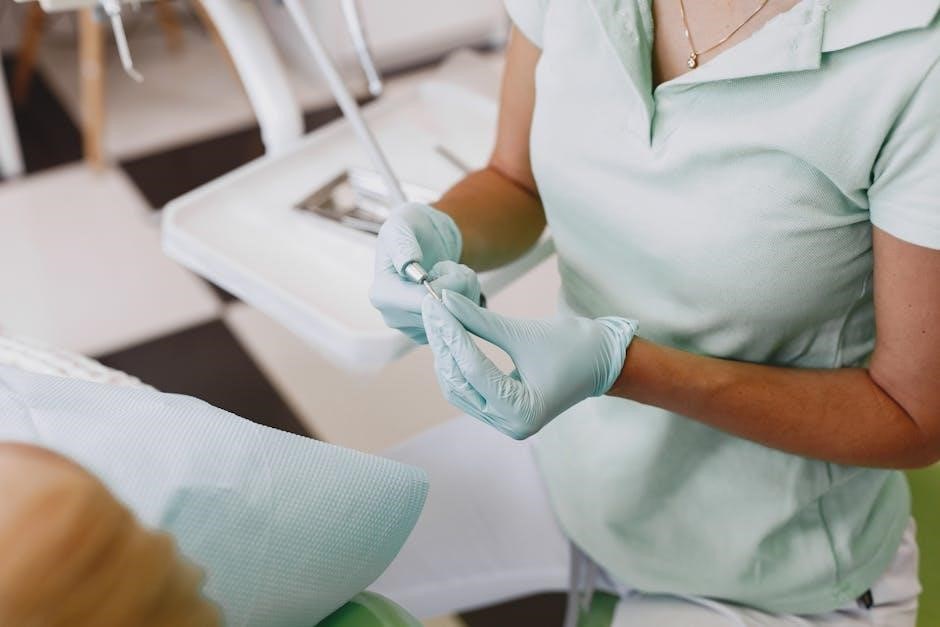
Recognizing Infection: While uncommon, infection can occur after a tooth extraction. En español, patients need to be aware of warning signs. These include increased pain and swelling after the initial post-operative period (typically beyond 3-4 days), accompanied by fever, chills, and a bad taste in the mouth. Pus discharge from the extraction site is a significant indicator.
Es crucial contact your dentist immediately if you suspect an infection. Ignoring it can lead to more serious complications. Antibiotics, if prescribed, must be taken as directed, completing the entire course even if symptoms improve. Proper oral hygiene, as instructed, is vital to prevent infection. Do not self-treat; professional evaluation is essential.
Long-Term Healing & Follow-Up
Healing Progression: Full socket healing takes months, with initial tissue recovery occurring within weeks. En español, patients should understand this gradual process. A gradual return to a normal diet is key, starting with soft foods and progressively introducing more textured options. Avoid hard or crunchy foods that could disrupt the healing site.
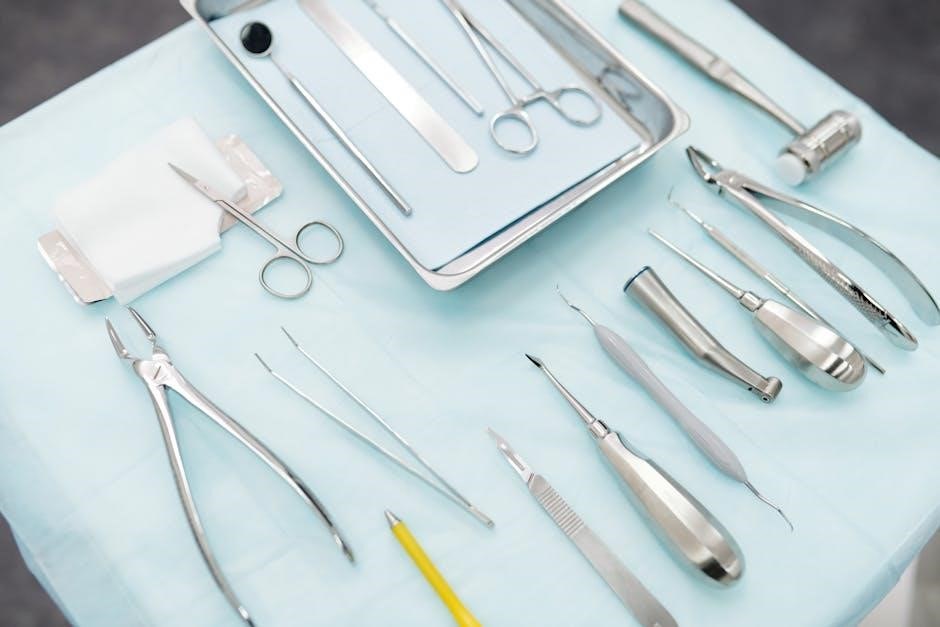
Follow-up is vital. Scheduled appointments allow your dentist to monitor healing and address any concerns. Es importante maintain excellent oral hygiene, even around the extraction site, once initial healing permits. Report any persistent discomfort or unusual symptoms. Long-term care ensures optimal oral health and prevents future complications.
9.1 Gradual Return to Normal Diet
Initial Phase (Days 1-3): Stick to liquids like broth, smoothies (no seeds!), and yogurt. En español, emphasize avoiding chewing. Phase Two (Days 4-7): Introduce soft foods – mashed potatoes, scrambled eggs, applesauce. Gradually increase texture. Avoid spicy or acidic foods that may irritate the extraction site.
Later Stages (Weeks 2+): Slowly reintroduce firmer foods, assessing tolerance. Continue avoiding hard, crunchy, or sticky items. Es importante chew carefully, avoiding the extraction area. Proper nutrition supports healing. Patients should understand this progression; en español, clear instructions are crucial for successful recovery and minimizing discomfort.
9.2 Importance of Follow-Up Appointments
Regular check-ups are vital to monitor healing progress and identify potential complications early. En español, explain that these appointments aren’t optional; they ensure proper bone remodeling and prevent issues like dry socket or infection. The dentist will assess the extraction site, remove any remaining sutures, and provide personalized advice.
Follow-up timing typically occurs within 7-14 days post-extraction, and potentially longer for complex cases like wisdom tooth removal. Es crucial patients attend these appointments, even if they feel well. En español, reiterate the importance of reporting any unusual symptoms. These visits confirm successful healing and long-term oral health.