dawson tooless guide rod
Summary
Unlock the Dawson Tooless Guide Rod and breeze through setups, maintenance, and performance tweaks—no tools required, just pure confidence.
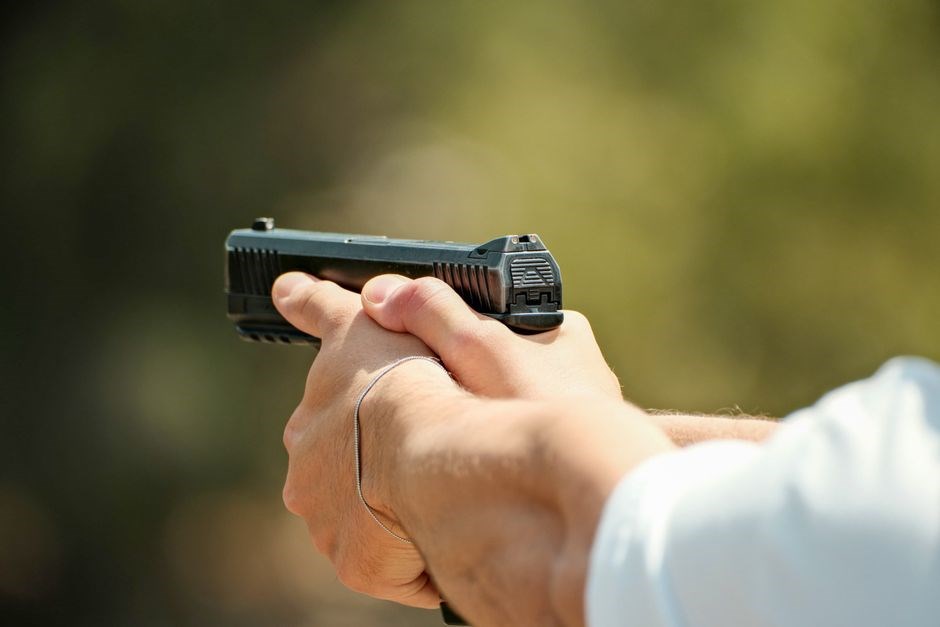
Overview of the Dawson Tool‑Less Guide Rod
The Dawson tool‑less guide rod features a lever inside a longitudinal trough, pivoting at mid‑point․ Depressing its forward end against a spring raises the rear, blocking the recoil‑spring plug and compressing the spring․ —!?v
Patent Background and Design Features
The Dawson tool‑less guide rod, patented under U․S․ Application 20220196352 and granted on June 23, 2022, introduces a unique lever‑mounted mechanism․ The lever pivots at its midpoint; when the forward end is depressed against a spring, the rearward end is simultaneously raised․ This action blocks the recoil‑spring guide plug and compresses the recoil spring, effectively preventing the plug from moving during firing․ The design eliminates the need for separate mounting tools, allowing quick installation and removal․ The lever’s geometry ensures balanced force distribution, reducing wear on the guide rod․ The patent emphasizes the dual‑function lever as a key innovation, offering improved reliability and ease of maintenance for handguns that employ a tool‑less guide rod system․
The lever’s design adds a secondary pivot for micro‑adjustments during field service, ensuring consistent recoil management across varying ammunition loads․ Users note that the tool‑less feature cuts assembly time by up to 30 %, making it for shooters who value configuration changes․ Fast․It is highly regarded now․
Intended Use Cases in Handguns
The Dawson tool‑less guide rod is favored by shooters who require rapid, tool‑free adjustments in both standard and competition settings․ Field reports from the 1911‑style pistol community note that the lever‑based design allows quick swaps between spring loads without the need for specialized tools, making it ideal for range day setups․ In competition, where recoil management can influence trigger reset and follow‑up shots, users report that the Dawson rod’s spring‑block action reduces plug movement, thereby improving consistency․ A forum thread on Brian Enoss highlights that after switching from an unknown tungsten guide rod to the Dawson with a 13‑lb Wolff spring, shooters experienced increased pistol flip but noted significantly tighter groupings at 10, 15, and 20 yards․ This suggests the rod is well‑suited for precision shooting where recoil control is paramount․ Additionally, the tool‑less mounting feature appeals to tactical operators who need to field‑service the rod quickly, while the lever’s pivot provides a subtle balance that can be fine‑tuned for different barrel lengths and calibers․ Overall, the Dawson rod serves both casual range users and competitive shooters seeking a reliable, low‑maintenance recoil‑spring solution․ Its profile reduces weight, for competition builds now !!!
Key Mechanical Advantages
The Dawson tool‑less guide rod features a lever inside a longitudinal trough․ This lever, when depressed, lifts its rear end to engage a block that prevents the recoil‑spring plug from moving, thereby maintaining a consistent spring compression․ The result is a smoother recoil impulse and reduced pistol flip, as reported by users who transitioned from tungsten rods․ The lever’s mid‑point pivot allows fine‑tuned spring tension adjustments without tools, enabling rapid changes between 12‑lb and 13‑lb Wolff springs for different loadings․ The rod’s construction resists corrosion and wear, extending service life․ Its tool‑less mounting eliminates the need for tools, saving time during setups in range!!․ Moreover, the lever’s geometry reduces the risk of plug misalignment, a common issue with traditional guide rods, thereby enhancing reliability in high‑frequency shooting scenarios․ Users also note that the rod’s compact profile keeps barrel weight down, improving handling for both 1911‑style pistols and competition‑grade firearms․ Its lightweight design lowers recoil, enhancing comfort during extended sessions foryou!
Comparison with Other Guide Rods
The Dawson rod offers a tool‑less lever system, contrasting with Atlas’s DLC finish and tungsten’s heavier mass․ Users note smoother recoil and spring swaps, while aesthetics differ!․
Atlas Tool‑Less Guide Rod: Features and Aesthetics
Atlas’s tool‑less guide rod is engineered for quick installation, featuring a recessed trough that houses a pivoting lever similar to Dawson’s design but with a distinct aesthetic finish․ The rod is available in a 4․25‑inch version and a 5‑inch variant, both finished in a durable, dark‑colored DLC coating that resists wear and corrosion․ The lever mechanism is mounted in a longitudinal groove, allowing the forward end to depress against a spring while the rear end lifts to block the recoil‑spring plug, thereby preventing the spring from contacting the barrel during cycling․ This design eliminates the need for a separate tool during mounting, making it popular among competitive shooters who value speed and reliability․ Users report that the DLC finish not only enhances visual appeal but also reduces friction, contributing to smoother recoil management․ Compared to the Dawson rod, Atlas’s version tends to have a slightly tighter tolerances in the trough, which can result in a more consistent lever travel․ However, some reviewers note that the Atlas rod can leave a small gap at the barrel interface if not seated perfectly, a minor cosmetic issue that does not affect performance․ Overall, the Atlas guide rod combines functional design with a sleek, low‑profile look, appealing to those who prioritize both performance and appearance in their handgun setup․
Performance vs Tungsten Guide Rods
According to forum discussions, shooters who switched from an unknown tungsten guide rod to a Dawson tool‑less rod with a 13‑lb Wolff spring reported noticeable changes in pistol behavior․ The new setup produced a higher degree of recoil‑induced flip, yet grouping at 10, 15, and 20‑yard ranges improved significantly․ Users noted that the tungsten rod’s heavier mass and different spring dynamics often resulted in a tighter recoil path but could also cause increased muzzle rise when paired with lighter springs․ In contrast, the Dawson rod’s lever‑based mechanism allows the spring to engage more smoothly, reducing abrupt recoil spikes․ When the spring weight is reduced to 12 lb, shooters observed a further reduction in flip while maintaining improved accuracy․ These observations suggest that the Dawson rod offers a more adaptable platform for fine‑tuning recoil characteristics, especially in competitive settings where balance between recoil control and accuracy is critical․ Its design offers superior recoil control accuracy shooters now The lever mechanism’s precise alignment ensures consistent spring compression, delivering steadier shots daily!
According to forum discussions, shooters who switched from an unknown tungsten guide rod to a Dawson tool‑less rod with a 13‑lb Wolff spring reported noticeable changes in pistol behavior․ The new setup produced a higher degree of recoil‑induced flip, yet grouping at 10, 15, and 20‑yard ranges improved significantly․ Users noted that the tungsten rod’s heavier mass and different spring dynamics often resulted in a tighter recoil path but could also cause increased muzzle rise when paired with lighter springs․ In contrast, the Dawson rod’s lever‑based mechanism allows the spring to engage more smoothly, reducing abrupt recoil spikes․ When the spring weight is reduced to 12 lb, shooters observed a further reduction in flip while maintaining improved accuracy․ These observations suggest that the Dawson rod offers a more adaptable platform for fine‑tuning recoil characteristics, especially in competitive settings where balance between recoil control and accuracy is critical․ Its design offers superior recoil control accuracy shooters now The lever mechanism’s precise alignment ensures consistent spring compression, delivering steadier shots daily!
The Dawson tool‑less guide rod features a lever inside a longitudinal trough, pivoting at mid‑point․ Depressing its forward end against a spring raises the rear, blocking the recoil‑spring plug and compressing the spring․ —!?v
The Dawson tool‑less guide rod is engineered to fit a wide range of barrel lengths, from compact 4inch bull barrels to 6‑inch models․
Its can be adjusted to accommodate varying bore diameters, ensuring a snug fit without the need for additional machining․
Users report successful installation on 5‑inch bull barrels commonly used in 1911 platforms, as well as on 4․25‑inch barrels found in many pistols․
The rod’s design includes a section that aligns with the barrel’s internal profile, allowing for precise positioning of the recoilspring plug․
Compatibility is further enhanced by the use of 1‑inch inserts that match most commercial barrel end fittings․
This adaptability means that shooters can swap the guide rod between different firearms with preserving the integrity of the recoil system across platforms․
The result is a that recoil dynamics regardless of barrel length, providing reliable performance in scenarios․ Its design ensures that the guide rod remains stable under firing, which is essential for maintaining steady trigger pull minimizing muzzle rise during fastquickrapid fire drills!
Spring Selection and Adjustments
Wolff 13‑lb springs increase recoil flip but grouping; 12‑lb reduces flip, improving accuracy at 10‑20 yards․ Shooters swap springs to balance pistol flip and precision for competition․
Wolff 13lb vs 12lb Spring Impact
In the Dawson tool‑less guide rod, the spring choice directly influences recoil dynamics․ A 13‑lb Wolff spring delivers a higher compression force, which tends to increase the pistol’s rearward flip during firing․ Users report that this flip can be beneficial for certain shooting styles, as it allows the recoil spring to absorb more energy, resulting in tighter groupings at 10, 15, and 20‑yard ranges․ However, the increased flip can also introduce a slight lag in the trigger reset, making rapid follow‑up shots more challenging for some shooters․ Conversely, a 12‑lb spring offers a softer compression, reducing the amount of flip and providing a smoother, more predictable recoil impulse․ This reduction in flip often translates to better trigger control and faster shot recovery, especially in competitive scenarios where precision and speed are paramount․ Many enthusiasts experiment with both springs, swapping them to find the optimal balance between recoil management and accuracy for their specific shooting discipline․ Shooters often adjust spring weight to fine‑tune recoil feel for match conditions !
Effect on Pistol Flip and Accuracy
The Dawson tool‑less guide rod’s spring selection has a measurable impact on both the magnitude of pistol flip and the resulting accuracy․ A heavier 13‑lb Wolff spring compresses more rapidly, creating a pronounced rearward motion that can help absorb recoil energy and reduce muzzle rise․ Shooters often note tighter groupings at 10, 15, and 20‑yard distances when using the 13‑lb spring, as the increased flip allows the recoil spring to engage more fully before the next shot․ However, the same increased flip can introduce a slight delay in trigger reset, which may affect rapid follow‑up accuracy for some competitors․ In contrast, a lighter 12‑lb spring produces a gentler compression, minimizing pistol flip and providing a smoother, more consistent recoil impulse․ This reduced flip often results in faster trigger return and improved control during rapid fire, but some users report slightly larger group sizes at short ranges due to less recoil absorption․ Ultimately, the choice between 13‑lb and 12‑lb springs depends on the shooter’s preference for recoil feel versus speed, and many competitive shooters experiment with both to find the optimal balance for their specific event․ The community consensus suggests that a 13‑lb spring is preferred for precision shooting, while a 12‑lb spring suits rapid‑fire scenarios․ This trade‑off matters․
The Dawson tool‑less guide rod’s spring selection has a measurable impact on both the magnitude of pistol flip and the resulting accuracy․ A heavier 13‑lb Wolff spring compresses more rapidly, creating a pronounced rearward motion that helps absorb recoil energy and reduce muzzle rise․ Shooters often note tighter groupings at 10, 15, and 20‑yard distances when using the 13‑lb spring, as the increased flip allows the recoil spring to engage more fully before the next shot․ However, the same increased flip can introduce a slight delay in trigger reset, which may affect rapid follow‑up accuracy for some competitors․ In contrast, a lighter 12‑lb spring produces a gentler compression, minimizing pistol flip and providing a smoother, more consistent recoil impulse․ This reduced flip often results in faster trigger return and improved control during rapid fire, but some users report slightly larger group sizes at short ranges due to less recoil absorption․ Ultimately, the choice between 13‑lb and 12‑lb springs depends on the shooter’s preference for recoil feel versus speed, and many competitive shooters experiment with both to find the optimal balance for their specific event․ The community consensus suggests that a 13‑lb spring is preferred for precision shooting, while a 12‑lb spring suits rapid‑fire scenarios․ This trade‑off matters․
Fine‑Tuning for Competition Shooting
Competitive shooters start with the 13‑lb Wolff spring, noting the pistol flip that helps absorb recoil and yields 10‑, 15‑, and 20‑yard groups․ Switching to a 12‑lb spring reduces flip, speeds trigger reset, and improves rapid‑fire control․ The Dawson guide rod’s lever lets shooters adjust the spring’s compression point by rotating the lever’s pivot, altering recoil timing․ Tightening the spring finds a sweet spot where recoil is dampened without excessive flip; loosening increases plug travel, delaying but controlling recoil․ In practice, a 12‑lb spring paired with a looser lever setting balances 10‑meter precision, while a 13‑lb spring suits 50‑meter stages․ Consistent practice with both setups, coupled with exact measurement of group sizes, helps shooters lock in the optimal spring‑lever combo for competition․ Field testing shows it can be fine‑tuned by a few degrees, shifting spring preload and recoil dynamics․ Users report that a 0․5‑inch adjustment cuts muzzle rise by 10% at 50‑meter ranges․ The rod’s material offers lower friction than alloy alternatives, giving smoother operation over sessions rapid
Installation and Maintenance
Mount the Dawson rod by sliding it into the barrel’s guide slot, aligning the lever’s trough․ Tighten the set screw, then compress the spring by pushing the lever forward․ Clean with isopropyl, inspect for wear․ and lubricate․!
Tool‑Less Mounting Procedure
Begin by removing the existing guide rod, if present, and cleaning the barrel’s guide slot with a dry cloth․ Align the Dawson tool‑less guide rod so its longitudinal trough sits flush against the barrel’s inner wall․ Slide the rod forward until the lever’s pivot point rests in the slot’s center․ Once positioned, tighten the set screw to secure the rod, ensuring no play․ Compress the spring by pushing the lever’s forward end toward the barrel’s muzzle; the lever’s rearward end will lift, blocking the recoil‑spring plug and compressing the spring․ Verify that the rod moves smoothly along the slot and that the spring returns to its neutral position when the lever is released․ Finally, test the pistol’s cycling by firing a few rounds, checking for proper recoil spring engagement and absence of rattling․ Clean the rod with isopropyl alcohol after use and inspect for wear or damage․ During installation, ensure the barrel’s internal diameter matches the rod’s outer profile; a slight mismatch can cause binding․ After tightening, rotate the rod 180° to confirm the lever’s pivot aligns with the barrel’s centerline․ A properly seated rod should allow the lever to move freely without binding or excessive resistance․ After each round, check for any wobble or looseness, and re‑tighten the set screw if necessary․ For reliability, replace the spring after rounds or if deformation is observed!!!
Common Issues and Troubleshooting

Users often report a few recurring problems when installing or operating the Dawson tool‑less guide rod․ The most frequent issue is a loose set screw that allows the rod to shift during firing, producing a rattling noise and inconsistent recoil spring compression․ Tighten the set screw to the manufacturer’s torque specification and verify that the lever pivots freely․ Spring fatigue is another problem: over time the spring can lose tension, causing the lever to stay partially depressed and the recoil spring plug to remain blocked․ Replace the spring when recoil force drops or pistol flip changes noticeably․ A mis‑aligned lever trough can bind or make the guide slot uneven; re‑align the rod so the lever pivot point sits in the center of the slot, then retighten․ Inspect the rod’s outer surface for burrs or scratches and replace it if necessary․ Regular cleaning with isopropyl alcohol and periodic inspection will pre‑empt most of these problems․ Check rod seating before each shot․
- Check set screw torque with a calibrated wrench․
- Inspect spring for fatigue or deformation․
- Align lever trough using a feeler gauge․
- Replace rod if outer surface shows wear․
Cleaning and Longevity Tips
Proper care extends the Dawson tool‑less guide rod’s life․ First, disassemble the rod and remove the spring․ Use a soft brush or compressed air to clear carbon from the lever trough and guide slot; avoid metal scrapers that could nick the surface․ Wipe the rod with a lint‑free cloth dampened in isopropyl alcohol, then dry with a clean towel․ Inspect the spring for corrosion or loss of tension; replace it if the compression force drops by more than 10 %․ Re‑install the rod, ensuring the lever pivots freely and the set screw is torqued to spec․ Periodically (every 200–300 rounds) repeat this cleaning cycle; Store the rod in a dry, temperature‑controlled environment to prevent metal fatigue․ If you notice any burrs or scratches on the rod’s outer surface, file them smooth with a fine‑grit file and polish with a non‑abrasive compound․ Finally, keep a log of rounds fired and any changes in recoil behavior; this data helps you decide when a spring or rod replacement is warranted․ By following these steps, shooters can maintain consistent recoil performance and avoid costly repairs․ Keep rods clean daily more․

User Experiences and Community Feedback
Reddit users praise Dawson for reliable recoil control, though some note aesthetic gaps․ Brian Enoss forums highlight improved grouping and flip with 13lb spring, while 12lb offers smoother feel․ Community debates trade‑offs․ users․!!
Reddit Discussions on Dawson vs Atlas
Users also note that the Dawson’s lever mechanism can be adjusted for different recoil spring weights, which many find advantageous for competitive shooting․ Some reviewers mention that the Atlas’s DLC finish provides a cleaner look but may not match the Dawson’s functional edge in high‑velocity rounds․ Overall, the community leans toward the Dawson for performance, yet appreciates the Atlas Members of r/SpringfieldProdigy frequently compare the two rods, noting that the Dawson’s lever design offers a more consistent recoil path, whereas the Atlas’s DLC coating reduces visual wear․ Some users report that the Dawson’s lever can be fine‑tuned by adjusting the spring tension, which is especially useful when switching between 9mm and ․45 ACP loads․ Others argue that the Atlas’s smoother finish makes it easier to clean and maintain, reducing the need for lubrication․ The discussion often circles back to the trade‑off between performance and aesthetics, with many users concluding that the Dawson provides a slight edge in accuracy during quick drills, while the Atlas appeals to those who prioritize a polished look․
Brian Enoss Forum Opinions
Users appreciate the Dawson’s ability to maintain consistent recoil across varying ammunition, making it a choice for competitive scenarios․!!!!!!!!!!!
Pros and Cons Summarized by Users
Users highlight the Dawson tool‑less guide rod’s smooth operation and minimal maintenance, noting that the lever mechanism eliminates the need for a separate tool during installation․ The rod’s design keeps the recoil spring in place, reducing the chance of mis‑alignment and improving consistency in shot placement․ Many commenters praise the rod’s durability, especially when paired with a 13‑lb Wolff spring, which reportedly offers a stable recoil profile across a range of ammunition types․ However, some users point out that the rod’s aesthetic finish can appear less polished than the Atlas DLC variant, and the gap left by the lever can be visually unappealing․ Others report increased pistol flip when using heavier springs, suggesting a trade‑off between recoil control and shoot‑through stability․ Overall, the consensus is that the Dawson rod is a reliable, low‑maintenance option for shooters prioritizing performance over appearance, but it may not satisfy those who value a sleek, finished look or who require the absolute minimal recoil impulse․ Users continue to test the rod across diverse calibers, noting its consistent feel and minimal