lyman shotshell reloading manual pdf
Summary
Download the official Lyman Shotshell Reloading Manual in PDF format! Unlock expert tips, load data, and diagrams for crafting precise & powerful shotshells. Get started now!

Lyman Shotshell Reloading Manual PDF: A Comprehensive Guide
Lyman’s reloading handbooks, including the 48th edition, are available as PDF downloads from various sources, offering comprehensive data for shotshell reloading enthusiasts.
Accessing Lyman’s resources digitally provides convenient access to crucial load data and guidance for safe, effective shotshell reloading practices.
Lyman reloading manuals have long been a cornerstone for reloaders, providing meticulously researched data and guidance for decades. These manuals aren’t simply collections of load recipes; they represent a commitment to safety, accuracy, and the advancement of reloading knowledge.
The Lyman 48th Reloading Handbook, and subsequent editions, are highly regarded within the shooting community. They offer detailed information covering a wide spectrum of cartridges, components, and techniques. The availability of these manuals as PDF downloads expands their accessibility, allowing reloaders to conveniently access critical information on computers and mobile devices.
Lyman’s dedication to thorough testing and clear presentation makes their manuals invaluable resources for both novice and experienced reloaders seeking to optimize their ammunition and enhance their shooting performance. They are a trusted source for reliable data.
What is a Shotshell Reloading Manual?
A shotshell reloading manual, like those published by Lyman, is a comprehensive guide dedicated to the art and science of creating your own shotshell ammunition. It’s far more than just a list of powder charges; it’s a detailed resource covering every aspect of the process, from component selection to finished cartridge inspection.
These manuals provide crucial data, including recommended powder charges, primer types, wad selections, and hull combinations, all meticulously tested for safety and performance. Lyman’s PDF versions offer this wealth of information in a readily accessible digital format.
A good manual explains the principles behind reloading, helping users understand why certain combinations work and how to troubleshoot potential issues. It’s an essential tool for anyone seeking to control ammunition costs and tailor loads to specific shooting needs.
Why Use a Lyman Manual for Shotshell Reloading?
Lyman reloading manuals have a long-standing reputation for accuracy, reliability, and comprehensive data, making them a preferred choice among experienced reloaders. Their PDF editions maintain this standard, offering convenient digital access to decades of ballistics research.
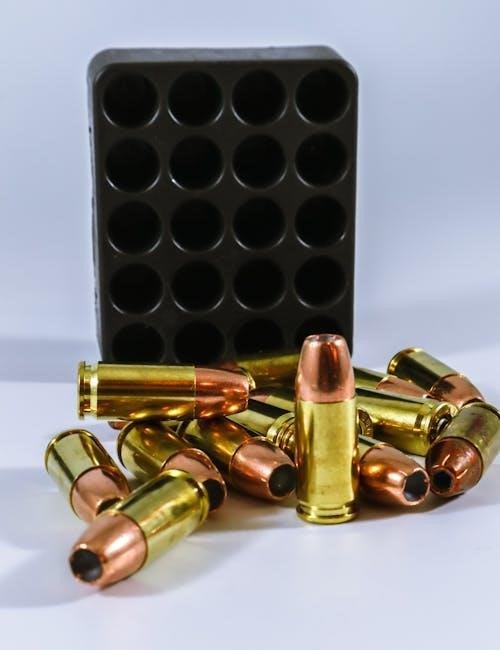
Lyman meticulously tests its load data, ensuring safe and consistent performance across a wide range of firearms and components. The manuals aren’t simply compilations; they represent a commitment to responsible reloading practices.
Choosing Lyman provides access to detailed charts, clear explanations, and a wealth of knowledge, empowering reloaders to create custom loads tailored to their specific needs. The 48th edition and newer versions are highly regarded within the shooting community.

Finding the Lyman Shotshell Reloading Manual PDF
Lyman’s PDF manuals are accessible through the official website and various third-party platforms, offering digital convenience for reloading data and guidance.
Official Lyman Website & Digital Editions
Lyman offers direct access to their reloading manuals, including shotshell editions, through their official website. This is the most reliable source for obtaining accurate and up-to-date reloading data. Digital editions, often available as PDF downloads, provide a convenient alternative to physical copies, allowing reloaders to access information on computers, tablets, or smartphones.
Purchasing directly from Lyman ensures you receive a legitimate copy, free from potential errors or modifications found on unofficial websites. The official digital editions often include interactive features, such as searchable indexes and hyperlinked cross-references, enhancing the user experience. Regularly checking the Lyman website is recommended, as they periodically update their digital offerings and may release new editions or supplemental data.
Third-Party Websites Offering PDF Downloads
Numerous third-party websites claim to offer Lyman shotshell reloading manuals in PDF format. While these sources may appear convenient, exercising extreme caution is crucial. The availability and legality of these downloads can be questionable, and the files themselves may contain viruses, malware, or inaccurate reloading data.
Often, these downloads are unauthorized copies, potentially lacking critical updates or corrections present in the official Lyman publications. Relying on compromised data can lead to dangerous situations, including firearm damage or personal injury. Always prioritize safety and verify the source’s legitimacy before downloading any reloading manual from a third-party website. Consider the risks before proceeding.
Potential Risks of Downloading from Unofficial Sources
Downloading a Lyman shotshell reloading manual PDF from unofficial sources presents significant risks. These files may harbor malware, viruses, or corrupted data, compromising your computer’s security and potentially damaging your reloading equipment. More critically, inaccurate or outdated reloading data can lead to overpressure situations, causing firearm damage and severe personal injury.
Unofficial sources often lack quality control, meaning the PDF might contain errors or omissions. Relying on such data is incredibly dangerous. Furthermore, downloading copyrighted material illegally is a legal offense. Always prioritize safety and legality by obtaining your manual directly from Lyman or authorized retailers to ensure accuracy and avoid potential harm.
Understanding the Lyman Manual’s Contents
Lyman manuals detail shotshell components, including hulls, primers, wads, and powders, offering crucial compatibility information for safe and effective reloading practices.
Shotshell Component Overview
Lyman’s reloading manuals provide a detailed breakdown of each shotshell component, essential for understanding the reloading process. This includes comprehensive information on hull types – plastic, paper, and metallic – outlining their characteristics and suitability for different loads.
The manuals also cover primer selection, explaining the different primer sizes and strengths, and their impact on ignition. A thorough wad overview details various wad designs, materials, and their compatibility with specific hulls and powders.
Finally, powder selection is addressed, with explanations of burn rates and their influence on velocity and pressure. Understanding these components and their interactions is paramount for achieving accurate, consistent, and safe reloads, as detailed within the Lyman guides.
Hull Types and Their Characteristics
Lyman’s reloading manuals dedicate significant attention to hull types, recognizing their crucial role in shotshell performance. Plastic hulls are the most common, offering durability and consistent performance, while paper hulls, though traditional, are more susceptible to damage; Metallic hulls, less frequently used today, require specialized reloading techniques.
The manuals detail the characteristics of each type, including wall thickness, base configuration, and internal volume. Lyman emphasizes the importance of matching hull type to the intended load and reloading equipment. Proper hull preparation, such as cleaning and inspection, is also highlighted to ensure reliable function and prevent failures.
Understanding these nuances, as outlined in the Lyman guides, is vital for safe and effective shotshell reloading.
Primer Selection Guide
Lyman’s reloading manuals provide a detailed primer selection guide, crucial for safe and accurate shotshell reloading. The guide emphasizes matching the correct primer to the hull type, powder charge, and intended use. Different primer types – such as standard, magnum, and target – deliver varying ignition energies.
Lyman stresses the importance of using only primers listed in their load data tables, as substitutions can lead to dangerous pressure spikes or misfires. The manuals detail primer characteristics, including cup material and sensitivity, influencing performance in different conditions.
Proper seating depth, achieved with quality priming tools, is also highlighted, ensuring reliable ignition and consistent velocity. Following Lyman’s guidance minimizes reloading risks.
Wad Types and Compatibility
Lyman’s shotshell reloading manuals dedicate significant attention to wad types and compatibility, a critical aspect of safe and effective reloading. Different wad designs – including one-piece, two-piece, and compression-formed – suit specific hull and powder combinations.
The manuals detail wad cushion, base wad fit, and gas seal characteristics, influencing shot pattern and recoil. Lyman emphasizes using only wads listed in their load data, as substitutions can cause pressure issues or poor performance.
Compatibility charts clearly indicate which wads are approved for specific hull brands and powder types. Proper wad selection ensures a tight gas seal, efficient powder burn, and consistent shot delivery, maximizing accuracy and minimizing felt recoil.
Powder Selection and Burn Rates
Lyman’s reloading manuals provide extensive guidance on powder selection and burn rates for shotshell reloading, crucial for achieving optimal performance and safety. The manuals categorize powders based on their burn rate – fast, medium, and slow – influencing velocity and pressure.
Lyman data tables specify approved powders for each load, listing precise weight ranges. Understanding burn rate is vital; faster powders generate lower pressures, while slower powders produce higher velocities.
The manuals caution against substituting powders, as this can drastically alter pressure levels. Lyman emphasizes adhering strictly to published load data, considering hull type, wad selection, and primer choice for consistent, safe results.

Reloading Data and Charts
Lyman’s PDF manuals contain detailed load data tables, specifying powder charges, velocities, and pressures for various shotshell combinations, ensuring safe reloading practices.
These charts are essential for achieving consistent performance and understanding the relationship between components and ballistic outcomes.

Decoding Load Data Tables
Lyman’s shotshell reloading manuals, often found as PDF downloads, present load data in meticulously organized tables. Understanding these tables is paramount for safe and accurate reloading. Each entry typically details the hull type, primer specification, powder type and weight (in grains), shot charge weight, and predicted velocity.
Crucially, these tables also include pressure readings, expressed in PSI or CUP, indicating the internal pressure generated during firing. Pay close attention to the stated maximum loads; exceeding these can lead to dangerous situations. Footnotes often clarify specific conditions or limitations related to the data. Lyman manuals often categorize loads by gauge (12, 20, etc;) and intended application (hunting, target shooting), further simplifying the selection process. Always cross-reference data and prioritize safety.
Understanding Pressure and Velocity
Lyman shotshell reloading manuals, accessible as PDFs, emphasize the critical relationship between pressure and velocity. Pressure, measured in PSI or CUP, directly impacts the safety of the load; exceeding maximum pressures can damage your firearm and cause injury. Velocity, typically expressed in feet per second (fps), determines the shot’s range and impact.
Lyman data tables provide predicted velocities based on specific powder charges and component combinations. However, actual velocities can vary due to factors like temperature and barrel length. Understanding these variables is crucial. The manual stresses staying within published pressure limits, even if it means slightly adjusting powder charges to achieve desired velocities. Prioritize safety over maximizing speed.
Specific Gauge Load Data (12 Gauge, 20 Gauge, etc.)
Lyman shotshell reloading manuals, often found as PDF downloads, dedicate substantial sections to load data organized by gauge – 12 gauge, 20 gauge, 16 gauge, and .410 bore are commonly covered. Each gauge receives detailed tables listing various powder/component combinations.
These tables specify maximum and starting loads, along with predicted velocities. Lyman provides data for diverse loads, including target, hunting, and specialized applications. The PDF format allows for easy searching and referencing of specific loads. Remember to always consult the manual for the specific gauge and components you are using, and never exceed published maximums.
Data for Different Hunting and Sporting Applications
Lyman shotshell reloading manuals, accessible as PDF downloads, categorize load data based on intended use. Hunters will find specific loads optimized for waterfowl, upland game, and turkey, detailing appropriate shot sizes and powder charges; Sporting shooters benefit from data tailored for trap, skeet, and sporting clays, focusing on recoil management and target breakage.
The PDF format enables quick access to these specialized loads. Lyman often includes notes on performance characteristics, such as pattern density and effective range. Always prioritize safety and adhere to published data when reloading for specific hunting or sporting disciplines, ensuring optimal performance and ethical harvesting.
Safety Precautions & Best Practices
Lyman’s PDF manuals emphasize crucial safety rules, proper equipment maintenance, and avoiding common errors for responsible shotshell reloading practices.
Prioritize safety!
Essential Safety Rules for Reloading
Lyman’s shotshell reloading manuals, available in PDF format, consistently stress the paramount importance of adhering to strict safety protocols. Always wear eye protection to shield against potential hazards during the reloading process. Never substitute components; use only those specified in verified load data.
Maintain a clean and organized workspace, free from distractions. Avoid smoking or open flames near reloading components and powders. Double-check powder charges meticulously, utilizing a calibrated scale. Understand and respect the potential dangers of energetic materials. Always consult the Lyman manual for specific warnings and guidelines related to your chosen components and loads. Treat every cartridge as if it is loaded, and never point a firearm at anything you do not intend to shoot.
Proper Equipment Maintenance
The Lyman shotshell reloading manual PDF emphasizes diligent equipment maintenance for safe and accurate reloading. Regularly inspect your reloading press for wear and tear, lubricating moving parts as needed. Clean powder measures and scales frequently to prevent buildup and ensure precise measurements.
Shell holders should be inspected for cracks or deformation. Priming tools require careful cleaning to avoid primer buildup and malfunctions. Regularly check dies for damage and ensure they are properly aligned. A well-maintained setup, as detailed in the Lyman manual, minimizes errors and maximizes the longevity of your reloading equipment, contributing to consistent and safe ammunition production.
Recognizing and Avoiding Common Reloading Errors
The Lyman shotshell reloading manual PDF dedicates significant attention to identifying and preventing common reloading mistakes. Double-charging a hull is a critical error; meticulous powder checking is vital. Incorrect primer selection can lead to misfires or dangerous pressure buildup.
Wad issues, like incorrect wad type or improper seating, affect pattern and pressure. Always verify powder weights and hull types against the load data. The Lyman manual stresses the importance of careful visual inspection of each round. Avoiding distractions and following procedures precisely minimizes errors, ensuring safe and reliable ammunition. Consistent adherence to the manual’s guidance is paramount.

Troubleshooting Common Reloading Issues
Lyman’s PDF manual assists in diagnosing primer, powder, and hull problems, offering solutions for misfires, measurement inaccuracies, and component deformation.
It provides guidance for resolving issues, ensuring safe and consistent shotshell reloading practices for optimal performance.
Primer Issues (Misfires, Crushing)
Lyman’s PDF manual dedicates significant attention to diagnosing and resolving primer-related issues encountered during shotshell reloading. Misfires are often attributed to insufficient firing pin impact, damp primers, or incorrect primer seating depth – the manual details checks for each.
Primer crushing, conversely, can stem from excessive seating force, improper shell holder fit, or even issues with the reloading press itself. The manual emphasizes the importance of visually inspecting primers post-seating, looking for any signs of deformation.
It also provides guidance on selecting the correct primer for specific loads and hull types, as using an inappropriate primer can contribute to both misfires and crushing. Furthermore, Lyman stresses the need for meticulous cleaning of primer pockets to ensure proper ignition and prevent malfunctions, referencing specific tools for optimal results.
Powder Measurement Problems
Lyman’s PDF reloading manual thoroughly addresses potential powder measurement inaccuracies, a critical aspect of safe and consistent shotshell reloading. It highlights the importance of utilizing a properly calibrated powder scale and regularly verifying its accuracy against known weights.
The manual details common errors like static electricity affecting powder flow, particularly with spherical powders, and suggests anti-static measures. It also emphasizes the need for a consistent powder pouring technique to minimize variations.
Lyman stresses the dangers of “double-charging” a hull and recommends visual inspection of each hull after powder dispensing. The manual also discusses the benefits of using volumetric powder measures, but cautions that they require frequent calibration and are less precise than scales, especially for smaller powder charges.
Hull Issues (Splitting, Deformation)
Lyman’s PDF manual dedicates significant attention to identifying and resolving hull-related problems during shotshell reloading. Hull splitting, a serious safety concern, is often caused by excessive pressure or reusing hulls beyond their recommended lifespan. The manual provides guidance on recognizing signs of hull fatigue and proper hull inspection techniques.
Deformation, such as creasing or collapsing, can also occur due to improper sizing or excessive crimping. Lyman details the correct procedures for hull sizing and crimping to prevent these issues.
The manual emphasizes the importance of using hulls compatible with the chosen primer and powder, and adhering to published load data to avoid overpressure situations that can lead to hull failure. It also advises against mixing hull brands.

Lyman Reloading Tools & Accessories
Lyman’s PDF manual highlights essential tools like shell holders, presses, powder measures, and priming tools for safe and precise shotshell reloading operations.
Shell Holders and Reloading Presses
Lyman’s reloading manuals, often found as PDF downloads, emphasize the critical role of shell holders and reloading presses in the shotshell reloading process. Selecting the correct shell holder, compatible with your specific gauge, is paramount for safe and efficient operation.
The manual details various press options, from single-stage to progressive models, outlining their capabilities and suitability for different reloading volumes. Lyman presses are known for their durability and precision, ensuring consistent and reliable performance. Proper press setup and maintenance, as detailed in the PDF, are crucial for achieving accurate loads and preventing equipment failure.
Understanding the interplay between shell holders, presses, and dies, as explained within the Lyman resources, is fundamental for any aspiring reloader seeking to create high-quality ammunition.
Powder Measures and Scales
The Lyman shotshell reloading manual, accessible as a PDF, underscores the absolute necessity of accurate powder measurement. Precise powder charges are fundamental to safe and consistent reloading, directly impacting velocity, pressure, and overall performance.
Lyman recommends utilizing both powder scales and measures, with scales serving as the primary verification tool. The manual details different scale types – beam, digital – and proper calibration techniques. Powder measures, while convenient, require regular checking against a calibrated scale to ensure accuracy.
The PDF emphasizes avoiding “trickle” charging and prioritizing consistent powder throws. Investing in quality equipment, as highlighted by Lyman, is crucial for achieving reliable and safe reloading results.
Priming Tools and Safety Equipment
The Lyman shotshell reloading manual PDF dedicates significant attention to priming, stressing the importance of dedicated priming tools for consistent and safe operation. Hand priming tools, as detailed within, offer greater control compared to automatic priming systems.
Lyman strongly advocates for eye protection during priming, as primer detonations can cause serious injury. The manual also highlights the necessity of a dedicated priming tray to prevent accidental primer ignition. Proper handling and storage of primers are also emphasized.
Furthermore, the PDF stresses the importance of inspecting primers for damage before use and avoiding the use of damaged or corroded primers. Safe priming practices, as outlined by Lyman, are paramount for a secure reloading process.

Advanced Reloading Techniques
Lyman’s PDF manual explores advanced methods like barrel slugging and choke considerations, enabling custom load development for optimized shotshell performance and accuracy.
Slugging Your Barrel
Slugging your barrel, as detailed within the Lyman Shotshell Reloading Manual PDF, is a crucial technique for determining the true bore diameter of your shotgun. This process involves pushing a soft lead slug through the barrel to reveal any constrictions or inconsistencies.
Precise bore measurements are essential for developing accurate reloading data, as variations from the nominal bore size can significantly impact pressure and velocity. The Lyman manual guides users through the steps of creating a slug, safely pushing it through the barrel, and accurately measuring the resulting diameter.
Understanding your barrel’s true dimensions allows for tailored load development, optimizing performance and ensuring safe reloading practices. This technique is particularly important for older shotguns or those with significant use, where bore wear may have altered the original dimensions.
Choke Considerations for Reloaded Shotshells
The Lyman Shotshell Reloading Manual PDF emphasizes the importance of understanding choke constrictions when reloading. Chokes control the spread of the shot pattern, and their interaction with reloaded shells requires careful consideration. Different choke types – cylinder, improved cylinder, modified, full – affect pressure and pattern density.
Lyman’s data often specifies recommended choke restrictions for specific loads. Using a choke too tight for a particular load can create excessive pressure, posing a safety risk. Conversely, an overly open choke may result in poor patterns.
The manual advises reloaders to consult choke manufacturer guidelines and start with conservative loads when experimenting with different combinations. Careful attention to these details ensures optimal performance and safe shooting with reloaded shotshells.
Custom Load Development
The Lyman Shotshell Reloading Manual PDF empowers experienced reloaders to develop custom loads tailored to their specific firearms and hunting/sporting needs. This involves meticulous testing and documentation, moving beyond published data. Lyman’s manual provides a foundation for understanding pressure curves, velocity relationships, and component interactions.
Custom load development requires careful attention to detail, starting with small adjustments to published recipes. Reloaders should meticulously record each load’s performance, noting velocity, pressure signs, and pattern density.
The manual stresses the importance of adhering to maximum pressure limits and prioritizing safety throughout the process. Through iterative testing, reloaders can optimize their loads for accuracy, recoil reduction, and consistent performance.